If you are torn between East Washington Park and West Washington Park, you are asking the right question. Both areas share one of Denver’s most loved parks, but the buying experience can feel very different depending on the block, the home style, and the kind of daily routine you want. This guide will help you compare East vs. West near Washington Park so you can focus on what matters most to you. Let’s dive in.
East vs. West at a Glance
When buyers talk about “Wash Park,” they often mean two closely connected areas: East Washington Park and West Washington Park. East Washington Park is generally defined by Alameda Avenue, Interstate 25, University Boulevard, and Franklin Street, and the area includes about 3,400 households. West Washington Park is its own established neighborhood area with roots tied to Denver’s 1880s southward growth.
For most buyers, the real choice is not park access alone. Both sides benefit from Washington Park as a shared anchor. The bigger differences usually come down to price point, housing style, lot feel, and which nearby retail streets fit your lifestyle.
What East Washington Park Feels Like
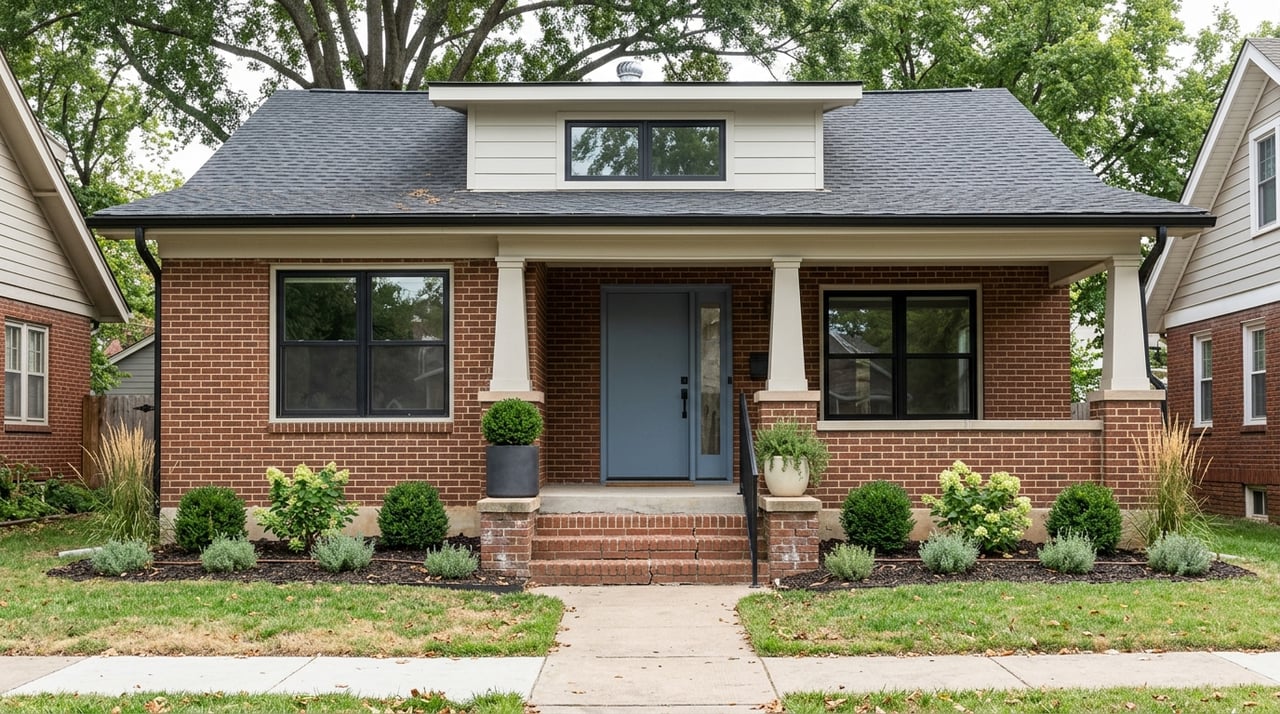
East Washington Park often draws buyers who want a classic Wash Park identity. The area is closely associated with older bungalow-era homes, mature residential blocks, and easy access to the South Gaylord Street business district. If you picture tree-lined streets, charming architecture, and a strong neighborhood-centered rhythm, East Wash Park is often where buyers start.
Historically, the neighborhood became especially desirable in the late 1980s and 1990s. During that period, many smaller historic homes were expanded with pop-tops or replaced with newer construction. That means you may find a wider mix of preserved originals, updated homes, and newer infill than you might expect at first glance.
East Side Home Styles
Common East Washington Park home styles include:
- Craftsman bungalows
- Tudor revivals
- Contemporary infill homes
You will also see that lot size matters on this side. Current market snapshots and listing patterns suggest that double lots, corner lots, and larger yards are major value drivers in East Wash Park.
East Side Pricing Trends
A recent market snapshot places the median sale price in East Wash Park near $1.05 million. That does not mean every home lands at that figure, but it does show that East Washington Park generally trades at a premium compared with nearby West Washington Park.
As always, pricing can shift based on renovation quality, exact location, and lot size. In a neighborhood like this, two homes just a few blocks apart can offer very different value depending on whether you want historic charm, turnkey updates, or more outdoor space.
East Side Daily Life
South Gaylord Street has long been part of East Wash Park’s identity. As the neighborhood grew through the 1920s and 1930s, South Gaylord developed into a major local business district with groceries, restaurants, services, and even a movie palace.
Today, that history still shapes the area’s feel. For many buyers, East Washington Park offers a more tightly connected relationship between residential streets, the park, and a distinct neighborhood commercial strip.
What West Washington Park Feels Like
West Washington Park often appeals to buyers who want Wash Park access with a slightly different entry point and a more varied street experience. The west side has deep historical roots as part of Denver’s 1880s expansion, and its housing mix reflects that longer, layered development pattern.
If East can feel a bit more polished and classic in buyer perception, West often feels a little more eclectic. That can be a real advantage if you want architectural variety, strong walkability, and access to multiple retail corridors.
West Side Home Styles
West Washington Park shows a broad mix of home types, including:
- Victorian cottages
- Bungalows
- Victorian houses
- Dutch Revival homes
That range gives the west side a different personality from East Wash Park. A city rezoning staff report also describes the immediate area as having regular lot sizes without alleys, which can shape everything from garage access to backyard layout.
West Side Pricing Trends
Recent market data for West Washington Park shows a median sale price of $941,683 over the last three months. Homes were also averaging about 10 days on market, pointing to strong buyer demand and a fast-moving environment.
In practical terms, West Washington Park may offer a somewhat lower entry point than East. Still, it remains a premium Denver submarket, so buyers should expect competition, especially for homes that are well updated or well located.
West Side Daily Life
West Washington Park benefits from its proximity to nearby commercial corridors, especially South Pearl Street. About four blocks west of Washington Park, South Pearl is one of Denver’s oldest shopping and dining districts, with shops, restaurants, bars, and buildings converted from late-19th-century houses.
This gives the west side a slightly more mixed-use edge. If you like having more than one nearby retail and dining orbit, West Washington Park may feel more flexible in day-to-day living.
Shared Perks Near Washington Park
No matter which side you choose, Washington Park itself is the major draw. The park was laid out in 1889 and includes two lakes, the largest meadow in Denver’s park system, a remnant of the City Ditch, a forested hill shaped by the Olmsted Brothers, large formal summer flower beds, and the 1913 boathouse on Smith Lake.
For many buyers, this shared amenity is what keeps both sides firmly on the shortlist. Park rules list urban park hours as 5:00 a.m. to 11:00 p.m., and the Washington Park Boathouse also serves as a permitted event facility.
On the east side, the Washington Park Recreation Center at 701 S. Franklin Street is another notable amenity. Depending on your routine, that may slightly tip the scales if organized recreation space is part of your lifestyle.
How to Compare East and West
The best choice usually depends on how you weigh four key factors.
1. Budget
If purchase price is a major factor, West Washington Park may give you a somewhat lower entry point based on recent market snapshots. East Washington Park often commands a premium, especially for larger lots and updated homes.
That said, the actual gap can vary by block and by property condition. A smaller East-side bungalow in original condition may compete closely with a larger updated home on the west side, or vice versa.
2. Home Style
If you are drawn to Craftsman, Tudor, and classic bungalow character, East Wash Park may feel more aligned. If you enjoy a broader architectural mix that includes Victorian-era homes and other styles, West may offer more variety.
This is one area where in-person touring matters. Online photos rarely capture the subtle differences in block feel, setbacks, massing, and renovation style that can shape your decision.
3. Lot and Yard Priorities
East Washington Park tends to stand out for buyers focused on lot size and yard space. Larger lots, corner lots, and rare double lots can carry real weight in home value and lifestyle appeal.
West Washington Park, by contrast, is described in one city report as having regular lot sizes without alleys in the immediate area. That may create a different feel in terms of lot layout and how outdoor space functions.
4. Daily Routine
Think about where you want your daily habits to happen. If you want a neighborhood commercial strip that feels tightly woven into the area, East and South Gaylord may stand out. If you want access to a broader mix of shops and restaurants nearby, West’s connection to South Pearl and the broader Broadway orbit may be more your speed.
Which Side Fits You Best?
East Washington Park may be the better fit if you want:
- A more classic Wash Park feel
- Strong interest in Craftsman, Tudor, or bungalow-style homes
- Larger lot potential or more yard emphasis
- Close connection to South Gaylord Street
West Washington Park may be the better fit if you want:
- A somewhat lower entry point
- A fast-moving, walkable environment
- A more eclectic architectural mix
- Easy access to nearby retail and dining corridors like South Pearl
The Smart Way to Shop Wash Park
Because both sides are premium micro-markets, broad neighborhood labels only get you so far. In this part of Denver, value often changes from one block to the next based on lot width, renovation level, and how close a home sits to the amenities you will actually use.
That is why the smartest approach is to compare homes through the lens of your lifestyle, not just the map. When you match your budget, design preferences, and daily routine to the right pocket of the neighborhood, the East vs. West decision becomes much clearer.
If you want help comparing blocks, home styles, and pricing strategy near Washington Park, connect with New Perspective Team | Compass. Their neighborhood-level guidance can help you buy with more clarity and confidence.
FAQs
What is the difference between East Washington Park and West Washington Park?
- East Washington Park and West Washington Park both sit near Washington Park, but buyers often compare them based on price, home styles, lot patterns, and nearby retail streets rather than park access alone.
Is East Washington Park more expensive than West Washington Park?
- Recent market snapshots suggest East Washington Park generally trades at a premium, with a median sale price near $1.05 million versus about $941,683 in West Washington Park, though exact pricing depends on the specific home and block.
What home styles are common in East Washington Park?
- East Washington Park commonly features Craftsman bungalows, Tudor revivals, and contemporary infill homes, along with a mix of expanded historic houses and newer construction.
What home styles are common in West Washington Park?
- West Washington Park includes a broader mix such as Victorian cottages, bungalows, Victorian houses, and Dutch Revival homes.
Is West Washington Park more walkable for Denver buyers?
- Recent market data describes West Washington Park as very walkable, with good transit and very bikeable conditions, which may appeal if you want strong everyday mobility options.
What amenities do buyers get near Washington Park in Denver?
- Buyers on both sides benefit from Washington Park’s lakes, meadow, flower beds, boathouse, and park access, while East Washington Park also has the Washington Park Recreation Center and East-side residents often look to South Gaylord for daily errands and dining.
