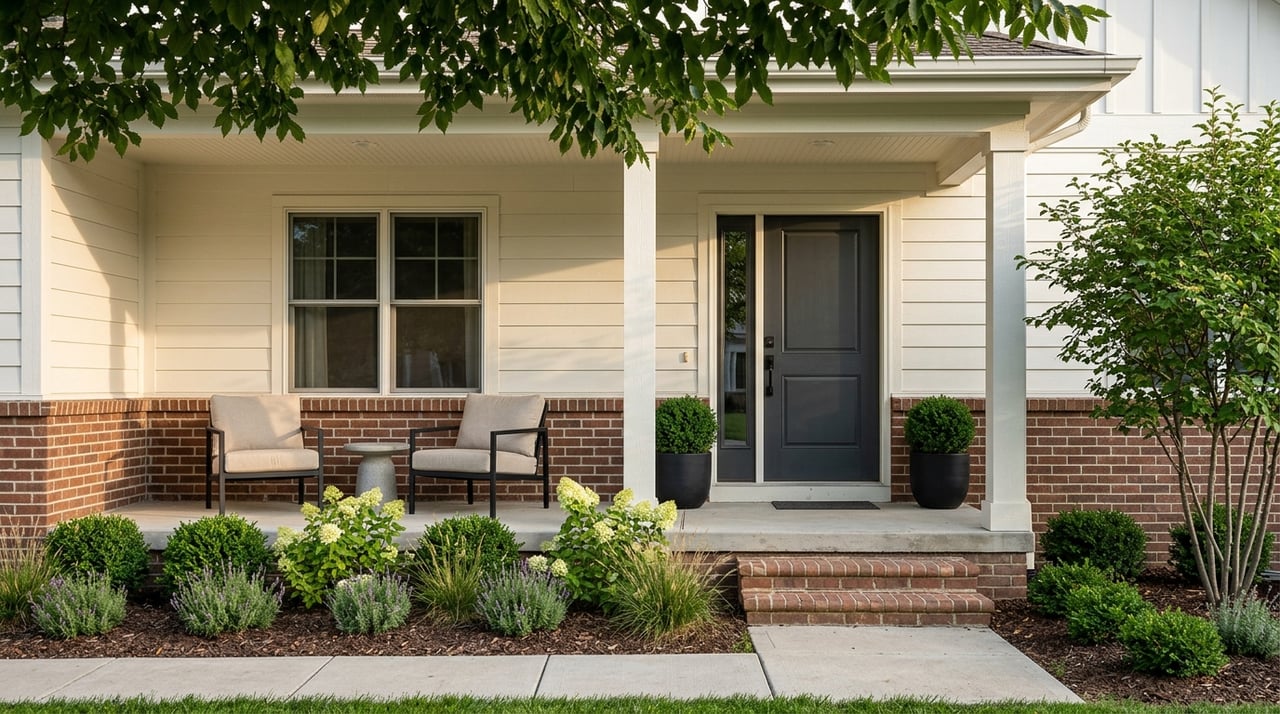
Looking for a Denver neighborhood that feels peaceful without feeling cut off? Congress Park and the East 7th Avenue Historic District offer a rare mix of tree-lined residential streets, classic architecture, and easy access to some of the city’s best parks, gardens, and everyday destinations. If you are considering a move here, or thinking about selling, this guide will help you understand the lifestyle, housing mix, and practical details that shape the area. Let’s dive in.
Congress Park at a Glance
Congress Park sits in Denver’s east-central core, generally bounded by York Street, Colfax Avenue, Colorado Boulevard, and Sixth Avenue. City planning materials describe it as a traditional city neighborhood with a small-town atmosphere, shaped by older homes, mature trees, and a mix of residential and commercial edges.
That layout helps explain why the neighborhood feels the way it does. The interior streets tend to feel quieter and more residential, while busier corridors like Colfax Avenue and Colorado Boulevard bring more activity, shops, and services. For many buyers, that balance is a big part of the appeal.
Congress Park lifestyle
Congress Park has roots in Denver’s streetcar era, when development spread along routes on East Colfax, East 12th Avenue, and East Sixth Avenue. You can still feel that pattern today in the way the neighborhood blends calm side streets with accessible commercial corridors.
If you enjoy a neighborhood where you can settle into a residential block and still reach parks, cafés, and cultural attractions without going far, this area stands out. The broader East Central Area includes major destinations like City Park, Cheesman Park, Denver Botanic Gardens, the Denver Zoo, the Denver Museum of Nature & Science, theaters, and a wide range of shops and restaurants.
In practical terms, that means your day-to-day life can feel both local and connected. You get a quieter home base in the middle of a very established part of Denver, with central-city conveniences nearby.
Parks and outdoor amenities
The neighborhood’s namesake, Congress Park, is a key local amenity. Denver Parks and Recreation describes it as roughly 9 acres, with a vision plan that includes a playground, basketball court, athletic fields, a walking loop, native landscaping and trees, an urban food forest, and picnic and seating areas.
If tennis matters to you, Congress Park is also listed among Denver parks with lighted tennis courts. That kind of programming adds to the neighborhood’s everyday usability, especially for residents who want outdoor options close to home.
Beyond the park itself, this part of Denver benefits from its proximity to larger green spaces and destinations. Denver Botanic Gardens at York Street spans 24 acres and includes gardens, cafés, and public parking and transportation access, while City Park offers more than 300 acres and includes the Denver Zoo and Denver Museum of Nature & Science.
For buyers focused on lifestyle, these nearby amenities are more than nice extras. They help define how the neighborhood lives on a daily basis, from morning walks and weekend outings to easy access to some of Denver’s best-known public spaces.
Shops, dining, and daily convenience
Commercial activity in Congress Park is mostly concentrated around the edges rather than in the middle of the neighborhood. Historic surveys describe East 12th Avenue as a former streetcar route with one-story commercial buildings, while Colfax Avenue and Colorado Boulevard serve as the more commercial north and east edges.
That pattern gives the neighborhood a useful rhythm. Residential streets in the interior tend to preserve a more intact historic streetscape, while nearby corridors provide practical access to dining, retail, and services.
For many people, this is the sweet spot. You can enjoy a more residential setting at home without giving up convenience when you want to run errands or meet friends nearby.
Homes in Congress Park
One of the defining features of Congress Park is its layered housing stock. Rather than one dominant home style, the neighborhood includes a progression of Queen Anne and Victorian homes, Craftsman Denver Squares, 1920s bungalows, duplexes, and apartment buildings from the early twentieth century.
That range matters if you are home shopping here. Depending on the block, you may find stand-alone historic homes, attached options, or smaller multi-unit buildings within the same general street grid.
This variety can create opportunities for different types of buyers, including those who want classic architecture, those who prefer a lower-maintenance setup, and those who are drawn to the character of older Denver housing. It also gives sellers a strong story to tell when marketing a property, especially when historic details, mature trees, and proximity to neighborhood amenities come together.
East 7th Avenue Historic District
The East 7th Avenue Historic District adds another distinct layer to the area. According to Denver Public Library’s neighborhood history guide, it is Denver’s largest historic district, stretching from Logan Street to Colorado Boulevard and from East 6th to East 8th Avenues.
The district was built primarily from the 1890s through 1930 and includes mansions, more modest homes, duplexes, and terraces. Larger homes typically line the parkway, while smaller homes are generally found along the north-south streets.
For buyers, this means the district is not one-note. It offers a range of home sizes and building types, but with a more formal, preservation-minded setting than many other neighborhoods.
Parkway character and streetscape
A major part of the East 7th Avenue Historic District’s identity comes from Denver’s historic parkway system. The district includes East 7th Avenue Parkway, the Cheesman Esplanade, and Williams Street Parkway, which help connect Cheesman Park, City Park, and Washington Park.
Original elm plantings, wide setbacks, and the boulevard-like canopy are central to the area’s look and feel. For many buyers, that visual character is part of what makes the district memorable.
It also shapes how homes present from the street. The broader setting often feels more formal and established, which can be especially meaningful for buyers who care as much about streetscape and setting as they do about the house itself.
What buyers should know
If you are considering a home in Congress Park or the East 7th Avenue Historic District, it helps to go in with a clear understanding of both the lifestyle and the housing realities. This is largely an older-home neighborhood, and that usually means character, mature landscaping, and architectural detail, but also more variation from property to property.
A few helpful questions to ask as you narrow your search include:
- Is the home inside a designated landmark district?
- What type of housing best fits your lifestyle: single-family, duplex, condo, or apartment-style living?
- Do you prefer a quieter interior block or easier access to edge commercial corridors?
- How important is proximity to Congress Park, Botanic Gardens, or City Park?
These questions can help you match not just the property, but also the micro-location within the neighborhood, to the way you want to live.
Historic district rules matter
For renovation-minded buyers, one practical point is especially important: verify whether a property is inside a local landmark or historic district. Denver Landmark Preservation states that exterior work on local landmarks and historic districts is reviewed by city staff.
That can affect plans for additions, façade changes, fences, windows, or demolition-related work. If you are buying with updates in mind, confirming designation status early can help you avoid surprises later.
This does not mean historic homes are off-limits for change. It simply means the review process matters, and understanding that process upfront is part of buying wisely in a preservation-conscious area.
What sellers can highlight
If you are preparing to sell in Congress Park or the East 7th Avenue Historic District, the neighborhood itself is often a major part of your home’s appeal. The strongest value cues in this area typically include historic character, mature trees, and proximity to parks, gardens, and established neighborhood amenities.
Buyers are often responding to more than square footage alone. They may be drawn to the home’s architectural style, the feeling of the block, the parkway setting, or the balance between a residential interior and active nearby corridors.
That is why presentation and positioning matter. In a neighborhood with layered housing and historic context, strong pricing, polished marketing, and thoughtful storytelling can help your property stand out for the right reasons.
Why this area stands out
Congress Park offers a combination that can be hard to find in Denver. It feels established and residential, yet it stays closely tied to major parks, cultural attractions, and commercial corridors.
The East 7th Avenue Historic District adds another level of identity through its parkway setting, historic scale, and preservation-minded character. Together, these areas appeal to buyers who want architecture, greenery, and central access in one package.
Whether you are buying or selling, the key is understanding how block, housing type, historic status, and nearby amenities all work together. In a neighborhood this nuanced, local knowledge can make a real difference.
If you are thinking about buying or selling in Congress Park or the East 7th Avenue Historic District, New Perspective Team | Compass can help you navigate the details with neighborhood-specific guidance, thoughtful strategy, and a high-touch approach.
FAQs
What is Congress Park in Denver known for?
- Congress Park is known for its tree-lined residential streets, older homes, mature landscaping, neighborhood park, and easy access to nearby destinations like Denver Botanic Gardens and City Park.
What types of homes are common in Congress Park Denver?
- Common home types in Congress Park include Queen Anne and Victorian homes, Craftsman Denver Squares, 1920s bungalows, duplexes, and early twentieth-century apartment buildings.
What makes the East 7th Avenue Historic District distinctive?
- The East 7th Avenue Historic District is known for its historic parkway setting, wide setbacks, tree canopy, and mix of mansions, smaller homes, duplexes, and terraces built mainly from the 1890s through 1930.
Do historic district rules affect homes in the East 7th Avenue Historic District?
- Yes. Denver reviews exterior work on properties within local landmarks and historic districts, so buyers should confirm whether a property is designated before planning exterior changes.
Is Congress Park Denver more residential or commercial?
- Congress Park is primarily residential in its interior streets, while commercial activity is concentrated along edges such as Colfax Avenue, Colorado Boulevard, and parts of East 12th Avenue.
Why do buyers consider Congress Park and East 7th Avenue Historic District?
- Buyers often consider these areas for their historic character, mature trees, housing variety, park access, and central Denver location with nearby shops, restaurants, and cultural attractions.
