Wondering what daily life in Lowry actually feels like? If you are looking for a Denver neighborhood with more breathing room, a strong park system, and easy access to everyday errands, Lowry often stands out for practical reasons. From its mix of homes to its repurposed historic buildings and neighborhood dining clusters, Lowry offers a lifestyle that feels organized, active, and easy to settle into. Let’s dive in.
What makes Lowry distinct
Lowry was built on the former Lowry Air Force Base, and that history still shapes the neighborhood today. According to the Denver Architecture Foundation, Lowry includes a range of home styles, parks, retail shops, businesses, and schools, giving it a broad, master-planned feel.
That planning shows up in the layout. Lowry’s design guidelines emphasize walkability, low-density single-family residential areas, mixed-use nodes, and historic heritage. In real life, that means the neighborhood tends to feel more residential and park-oriented than Denver’s denser urban core areas.
Another detail that gives Lowry character is its reuse of former base structures. Historic hangars and buildings now serve as community destinations like Wings Over the Rockies Air and Space Museum, Big Bear Ice Rink, and the Eisenhower Chapel. That blend of old and new gives the area a sense of identity that is hard to replicate.
Housing in Lowry
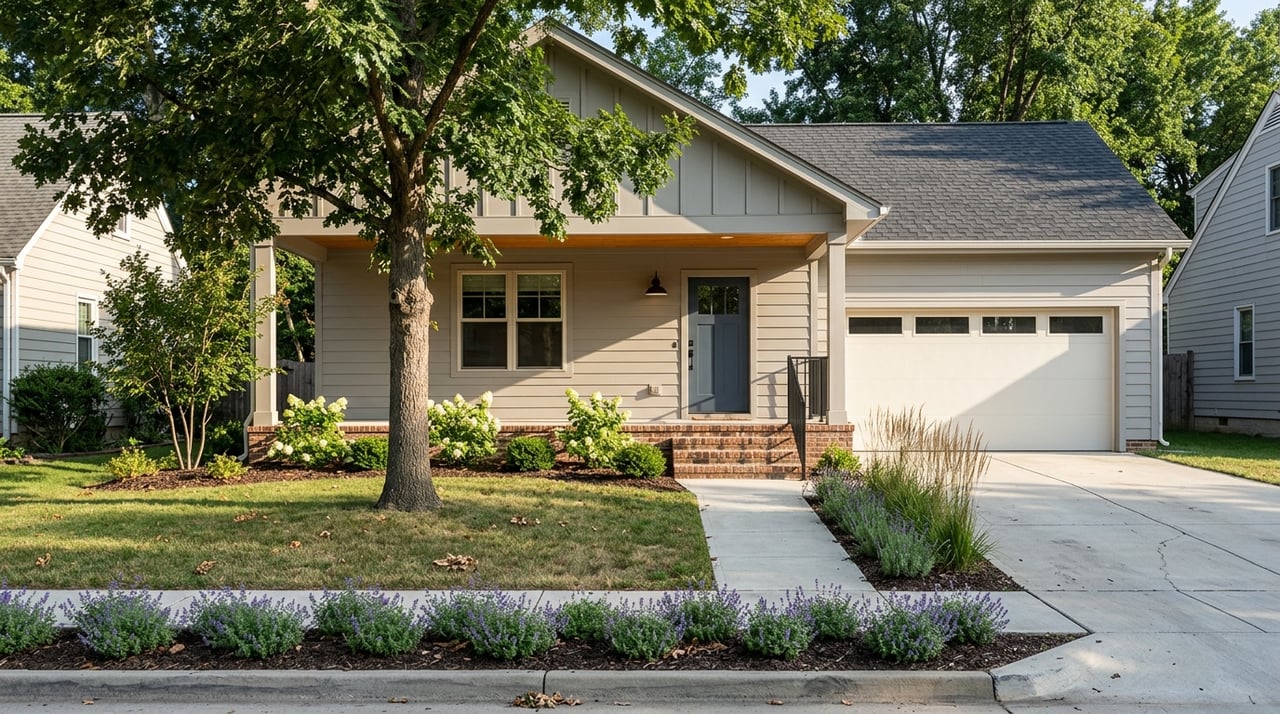
If you want options, Lowry offers a mixed housing stock rather than one single home type. The neighborhood site notes that there are nearly 3,000 single-family homes, duplexes, condos, and apartments in the community.
That mix can appeal to a wide range of buyers and movers. You may find a detached home, a lower-maintenance condo, or something in between, depending on your goals and budget. For buyers relocating within Denver, that variety can make Lowry easier to consider than neighborhoods with a narrower housing profile.
Because the neighborhood was planned with a consistent design approach, the area often feels cohesive even with different home types. You get variety, but it still reads as intentional rather than pieced together over time.
Parks and open space in Lowry
Lowry’s outdoor access is one of its biggest lifestyle advantages. The neighborhood’s parks and recreational areas span nearly 800 acres, and about 35% of that acreage includes native plants and grasses.
That is a meaningful amount of green space for everyday life. Whether you like morning walks, playground stops, bike rides, or time outside with your dog, Lowry gives you many ways to build those routines close to home.
The park system is also broad, not one-note. It includes neighborhood parks, regional parks, a sports complex, a golf course, natural reserve areas, a community recreation center, and an ice arena.
Parks for play and everyday use
For quick outings and family-friendly stops, Lowry includes parks such as Liberator, Mustang, Sunset, and Tailwind. These smaller parks can make it easier to fit outdoor time into a regular weekday instead of saving it for weekends.
If you prefer quieter open spaces, places like Linear Park, Maple Park, Powerhouse Pedestrian Plaza, Quantum Park, and Roslyn Park add another layer to the neighborhood. These areas help create the sense that Lowry is built for movement and breathing room, not just housing density.
Larger recreation spaces
Lowry also offers larger parks and open spaces, including Bayaud Park, City of Ulaanbaatar Park, Crescent Park, Great Lawn Park, Lowry Sports Complex, Yosemite Open Space, Westerly Creek Dam, and Lowry Dog Park. For many residents, these are the places that support longer walks, sports, and more active weekend routines.
It is also worth knowing that some parks are owned and maintained by the LCMA for residents and guests, while City of Denver parks can be reserved. For you, the practical takeaway is that Lowry’s outdoor spaces include both neighborhood-managed green areas and broader public parkland.
Art and history outdoors
Lowry’s outdoor experience is not only about grass and trails. The neighborhood includes more than eighteen pieces of public art, and the Reading Garden features the Hangar 3 Little Free Library.
These details may sound small, but they add to the day-to-day feel of the neighborhood. They help Lowry feel established, cared for, and connected to its own history.
Dining and errands in Lowry
One of the most useful things about Lowry is that daily errands and casual meals are built into the neighborhood. Lowry Town Center offers a concentrated mix of shopping, including Albertsons and boutique clothing stores, within easy walking distance of one another.
That setup supports a practical routine. You can picture grocery runs, coffee stops, and a quick dinner without needing to cross the city every time you need something basic.
Where residents go for dining
For restaurants and local flavor, Hangar 2 is a standout part of Lowry. Visit Denver describes it as a collection of locally owned restaurants and shops in and around a historic Air Force hangar.
Some of the businesses highlighted there include Café Mercato, North County, Officers Club, WoodGrain Bagels, and Lowry Beer Garden. Together, they help create a dining scene that feels neighborhood-serving rather than built around heavy nightlife.
That is an important distinction if you are comparing areas in Denver. Lowry gives you places to eat and gather, but it does not read as a dense entertainment district with a nonstop urban pace.
How walkable is Lowry?
A representative Lowry address at 8250 E Lowry Blvd has a Walk Score of 58, a Transit Score of 34, and a Bike Score of 76. Walk Score classifies those numbers as somewhat walkable, some transit, and very bikeable.
In practical terms, some errands can be done on foot, especially near the neighborhood’s shopping and dining clusters. Biking may feel even easier for getting around, while transit is available but not likely to be the neighborhood’s main convenience point.
That combination lines up with how Lowry is planned. It supports an active, neighborhood-based lifestyle where parks, shops, and meals are accessible, but it is not trying to function like downtown Denver.
Lowry versus Denver’s urban core
If you are deciding between Lowry and a more central Denver neighborhood, the biggest difference is usually rhythm. Lowry tends to feel more neighborhood-centered, with lower-density homes, more open space, local retail clusters, and a stronger bike-and-park orientation.
By contrast, Denver’s urban core neighborhoods often offer denser blocks and a more continuous nightlife or entertainment pattern. Neither approach is better in every case. It simply depends on whether you want your day-to-day life to feel more residential and open, or more urban and fast-moving.
Lowry’s identity also comes from its history. The repurposed military buildings, preserved structures, public art, and community-managed amenities help it feel settled and intentional.
Who Lowry may appeal to
Lowry can be a strong fit if you want a Denver neighborhood where outdoor access is part of daily life. The nearly 800 acres of parks and recreation space support that in a very real way.
It may also appeal to you if you value a neighborhood with mixed housing options and a practical errand base nearby. With nearly 3,000 homes across single-family, duplex, condo, and apartment formats, the area offers more variety than some buyers expect.
And if character matters to you, Lowry has a distinct visual story. The former base buildings, hangars, and public spaces create a sense of place that feels different from both newer suburban developments and Denver’s older urban neighborhoods.
What to keep in mind before moving to Lowry
Lowry offers a lot of convenience, but it helps to go in with the right expectations. You can likely handle some errands on foot and enjoy strong biking access, but the neighborhood is not built around high transit access or a dense entertainment strip.
That tradeoff is part of the appeal for many buyers. You get parks, local dining, open space, and a more residential pace, while still staying connected to Denver.
If you are weighing Lowry against other Denver neighborhoods, the best question is not whether it has everything. It is whether its mix of homes, green space, dining, and daily convenience matches how you actually want to live.
If you are exploring Lowry or comparing it with other Denver neighborhoods, New Perspective Team | Compass can help you evaluate the lifestyle, housing options, and market context so you can move forward with clarity.
FAQs
Is Lowry in Denver walkable for daily errands?
- Lowry is somewhat walkable based on a representative Walk Score of 58, which suggests some errands can be done on foot, especially near shopping and dining areas.
What types of homes are available in Lowry?
- Lowry has a mixed housing stock with nearly 3,000 single-family homes, duplexes, condos, and apartments.
How much park space does Lowry have?
- Lowry’s parks and recreational areas span nearly 800 acres, including neighborhood parks, regional parks, open space, a sports complex, a golf course, a recreation center, and an ice arena.
Where do people dine and shop in Lowry?
- Many daily errands center around Lowry Town Center, while dining options cluster around Hangar 2, where locally owned restaurants and shops are located in and around a historic hangar.
What makes Lowry different from Denver’s urban core neighborhoods?
- Lowry generally feels more residential and park-oriented, with lower-density housing, local retail clusters, and a stronger bike-and-open-space feel than Denver’s denser urban core areas.
