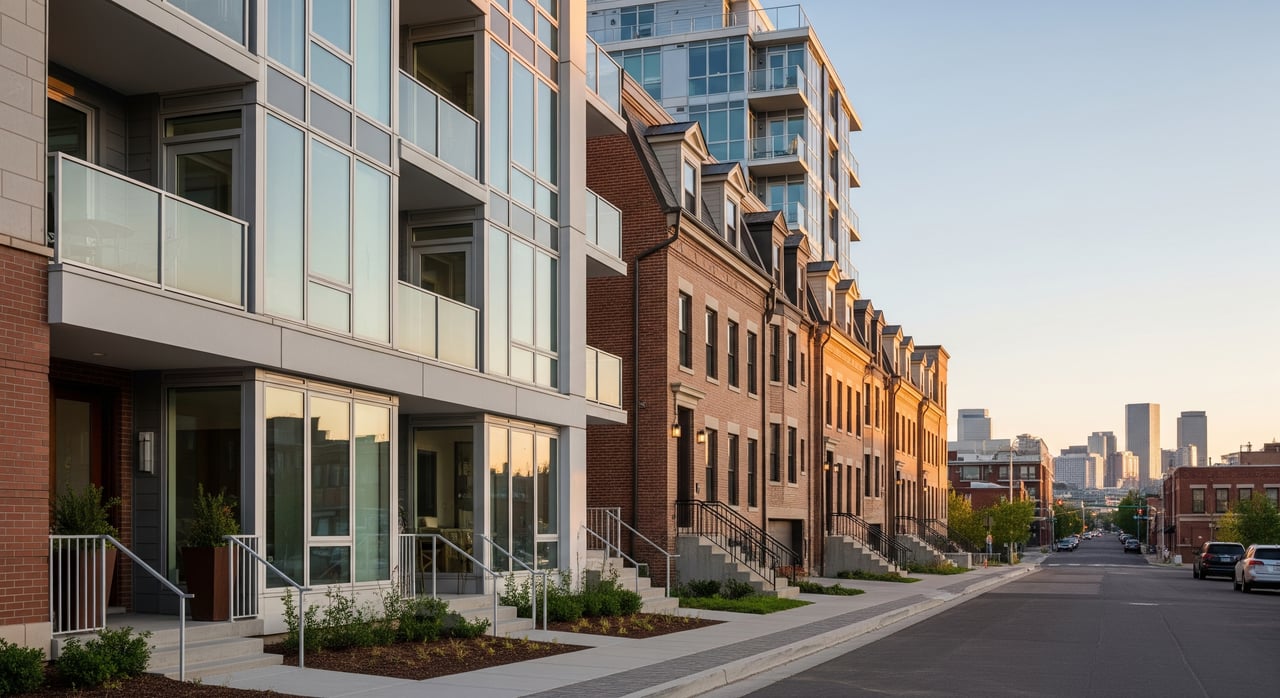
Thinking about a condo or a townhome in LoHi but not sure which one fits your life and budget best? You are not alone. In Denver’s Lower Highlands, both options offer walkability, style, and access to downtown, yet they differ in monthly costs, maintenance, privacy, parking, and long-term resale potential. This guide breaks down those tradeoffs so you can choose with clarity and confidence. Let’s dive in.
LoHi living at a glance
LoHi sits just northwest of downtown Denver and blends historic charm with modern infill. You will see boutique loft-style condos, elevator buildings with stacked flats, and attached row townhomes. Limited buildable lots and strong demand create a dense, lively streetscape that rewards walkability.
These local factors shape the condo versus townhome decision. Condos usually offer low-maintenance living with shared amenities. Townhomes often feel more like a private home, with direct entries and garages. Your daily routine, noise tolerance, and parking needs will help point you to the right fit.
Costs: condos vs townhomes
Total monthly cost includes your mortgage, property taxes, HOA dues, insurance, utilities, maintenance, and parking. The biggest swing between condos and townhomes in LoHi often comes from HOA fees and what they cover.
Mortgage and taxes
Your mortgage and property taxes follow purchase price and loan terms. In LoHi, scarcity and location can influence price per unit. Compare apples to apples on size, parking, outdoor space, and finish quality when you weigh cost.
HOA dues and what’s covered
Condos typically carry higher HOA dues because the association maintains the building exterior, common areas, and often elevators. Dues may also fund reserves and shared utilities, and sometimes basic amenities. Townhome communities may have lower dues if they cover only limited common areas or private roads, although some townhome associations still have meaningful fees.
What to confirm before you offer:
- The current HOA fee and a line-item list of what it includes.
- Reserve study date and reserve balance, plus any special assessments.
- History of dues increases over the past few years.
Utilities and insurance
Many condos include some utilities in the HOA, such as water or shared heat, while townhomes are more often individually metered. Condo owners usually carry an HO-6 policy for interiors and personal property since the master policy covers common elements and exterior per the policy type. Townhome insurance may need to cover more of the structure if the HOA does not.
Maintenance responsibilities
Condo owners rely on the association for exterior maintenance, which can simplify life but also creates exposure to special assessments if reserves are thin. Townhome owners often handle more items themselves, like small patios, garage doors, and limited landscaping. Your maintenance tolerance and desire for control can tip the scale.
Parking costs and premiums
Parking is a major value driver in LoHi. Townhomes are more likely to include a deeded 1 or 2 car garage. Many condos offer assigned stalls or rely on street parking. Properties with secure, deeded parking often carry a premium and can see stronger demand at resale.
HOAs and buyer implications
A healthy HOA protects your investment. In Colorado, common interest communities operate under state rules and each association’s governing documents. Your job as a buyer is to confirm the financial and operational health of the community you are joining.
Key HOA documents to review
Ask for and read:
- Declaration, Bylaws, and Articles of Incorporation.
- Current budget, recent financials, and the latest reserve study.
- Meeting minutes for the last 12 to 24 months.
- Insurance certificate for the master policy, including policy type and deductibles.
- Rules and regulations, including pets, rentals, and design controls.
- Any disclosures about pending litigation.
Rules that affect lifestyle and resale
Rental policies and caps can shape the buyer pool and financing. Pet rules affect daily life. Transfer fees, move-in rules, and storage policies matter for planning and costs. Strong reserves and a stable assessment history help protect values and reduce surprises.
Financing checkpoints
Some lenders require condo projects to meet specific approval standards, such as owner-occupancy ratios and reserve levels. This can impact your loan options and timing. Townhomes with individual titles often face fewer project-level hurdles, but you should still provide HOA documents to your lender for review.
Insurance scope and gaps
Confirm whether the master policy is walls-in or bare-walls and match your unit policy to fill gaps. For townhomes, verify whether the roof and structure fall under the HOA or the owner. Your insurance cost and exposure depend on that line.
Resale drivers in LoHi
LoHi’s demand comes from location, design, and convenience. Not all homes hold value equally. Knowing what local buyers prioritize can help you buy with resale in mind.
Location and walkability tradeoffs
Proximity to restaurants and downtown draws many buyers. Units closer to nightlife can trade differently due to foot traffic and noise. Visit at peak evening hours to check your tolerance and to understand how that location might influence future buyer interest.
Parking, storage, and outdoor space
Deeded garages, private entries, storage, and usable outdoor areas are top differentiators. These features can narrow days on market and support stronger pricing. In LoHi, a secure garage can be a meaningful edge at resale.
Building quality and HOA health
Construction quality, age, and maintenance history matter. Boutique historic conversions can command premiums when well maintained. Communities with thin reserves or a history of special assessments may see buyers discount risk into pricing.
Floor plans and finishes
Functional layouts and quality finishes drive price per square foot in tight urban submarkets. Roof decks, balconies, and flexible spaces that work for a home office often help a listing stand out.
Decision framework: condo or townhome?
Use these questions to align choice with your lifestyle and budget:
- Budget and monthly spend
- Can you absorb higher HOA dues if they cover more services, or do you prefer lower dues with more owner maintenance?
- Maintenance preference
- Do you want hands-off exterior upkeep, or do you want more control even if it means more responsibility?
- Parking and storage
- Is a private 1 to 2 car garage a must-have? Townhomes deliver this more often in LoHi.
- Privacy and noise
- Are you comfortable with shared hallways and more neighbors above and below, or do you prefer a private entry and more separation?
- Outdoor space and pets
- Do you need a private patio or small yard, or will a balcony or shared courtyard work for you and your pets?
- Resale horizon and risk
- If you may sell within 3 to 5 years, lean toward features that draw the widest buyer pool and confirm HOA strength.
- Financing constraints
- If you plan to use FHA or VA, verify project approval early, or consider townhomes that may be simpler to finance.
Buyer checklist for LoHi tours
Before you write an offer, gather and confirm:
- HOA dues, what they include, and the last two years of budgets.
- Reserve study date, current reserve balance, and any planned or recent special assessments.
- Master insurance policy type and required unit coverage.
- Rules for rentals, pets, parking, and any transfer or move-in fees.
- Parking details, deeded garage language, and stall configuration.
- Outdoor space type and whether it is limited common element or exclusive use.
- Recent capital projects such as roof work, waterproofing, or deck repairs.
- Lender project approval status and any occupancy ratio concerns.
- Three to five local comps of the same property type with similar features.
- Noise levels during evening hours and the practical ease of parking access.
Example LoHi property types
Use these quick snapshots to clarify tradeoffs you may see on tour days.
Loft-style boutique condo
- Pros: character, often near retail, low exterior maintenance.
- Cons: variable noise control and insulation, limited storage and parking, smaller HOAs can have thinner reserves.
Newer stacked flats with roof decks
- Pros: modern finishes, secure entries, private outdoor areas.
- Cons: higher HOA dues for amenities, new construction premiums can compress near-term appreciation.
Attached row townhome with garage
- Pros: private entry, 1 to 2 car garage, more separation from neighbors.
- Cons: more owner maintenance, a lot of value tied to garage and layout.
Mid-century low-rise condo building
- Pros: potentially lower per-unit price and shared amenities.
- Cons: aging systems can lead to assessments if reserves are low.
Buying in LoHi is about matching the lifestyle you want with how you want to spend each month. Condos tend to favor convenience with higher shared costs. Townhomes often deliver privacy and garages with more owner responsibility. When you weigh HOA health, parking, and outdoor space alongside your budget and timeline, you set yourself up for a confident purchase and strong resale.
If you want local comps, real HOA documents to review, and a tailored game plan for LoHi, reach out to the New Perspective Team | Compass. We will help you choose the right home with data, care, and a smooth process.
FAQs
What is the main monthly cost difference between LoHi condos and townhomes?
- Condos usually carry higher HOA dues that cover more shared expenses, while townhomes often have lower dues but more owner-paid maintenance and utilities.
Who handles exterior repairs in LoHi condos and townhomes?
- Condos typically rely on the HOA for exterior items per the governing documents, while townhome owners often handle more exterior elements unless the HOA specifies otherwise.
How do HOA rental rules affect buying in LoHi?
- Rental caps and approval rules can limit investor demand and financing options, which can influence both your ownership flexibility and future resale pool.
Do LoHi condos require special lender project approval?
- Many lenders review condo projects for factors like owner-occupancy and reserves; townhomes with individual titles tend to face fewer project-level approvals.
How can you estimate true monthly cost before offering?
- Add mortgage, property taxes, HOA dues, insurance, utilities, and a maintenance contingency that reflects the product type and the HOA’s reserve strength.
How does parking impact value in LoHi?
- Deeded garages and secure parking often command premiums and can support faster resale due to scarcity and convenience in a dense neighborhood.
